Fridge or Fruit Bowl? A Comparison Guide to Storing Ripening Fruit
Some fruit arrives in your kitchen with an unfinished job. A rock-hard avocado, a pear that feels like a cricket ball, peaches that smell of nothing at all. These will keep ripening after you get them home, and where you put them decides whether that ends in something soft and fragrant or something wrinkled and disappointing. The fruit bowl and the fridge aren't rivals. They're two stages of the same plan. Here's how to tell which stage you're in.
Why Some Fruit Keeps Ripening and Some Doesn't
Fruit divides into two broad groups, and the difference matters more than any storage tip you'll read.
The first group keeps ripening after harvest. These fruits produce ethylene, a natural plant hormone, and they also respond to it. Left at room temperature they soften, their starch turns to sugar, their acids mellow and their aroma develops. Think bananas, avocados, pears, peaches, nectarines, plums, apricots, mangoes, kiwifruit, figs, papayas and tomatoes.
The second group does not ripen further once picked. Strawberries, raspberries, blueberries, cherries, grapes and citrus are finished when they leave the plant. They won't get sweeter on your worktop — they'll only lose water, dull and start to mould. For these, the fridge is the right answer from the moment you unpack the shopping.
So the real question isn't "fridge or bowl?" It's "has this fruit finished ripening yet?"
The Case for the Counter
Warmth speeds up every chemical change involved in ripening. A peach kept at room temperature will develop the perfume and yielding texture that a chilled peach never quite manages. Chilled too early, stone fruit tends to stay bland and can turn woolly or mealy — the texture is there but the flavour never arrives.
A few habits make counter ripening work better:
- Spread fruit out in a single layer instead of piling it into a deep bowl. Air circulating around each piece helps, and you'll spot bruises sooner.
- Sit stone fruit stem-side down, so the shoulder that softens first isn't resting on the bowl.
- Keep the bowl out of direct sun and away from radiators. A warm kitchen is fine; a hot windowsill just invites rot.
- To speed things up, drop the fruit into a paper bag, or cover the bowl with a plate. Trapped ethylene concentrates and ripening accelerates.
- Check daily. Ripening happens faster than people expect, especially in summer.
You'll know fruit is ready by feel and smell, not by the calendar. A pear is ready when the neck near the stem gives slightly under your thumb. An avocado is close when the little stem cap flickers loose.
The Case for the Fridge
Cold does the opposite of everything above. It slows respiration and ethylene production, which buys you days — sometimes a week or more for firm fruits such as apples and pears once ripe.
The trade-off is that chilling also stalls flavour development. Fruit moved to the fridge while it's still hard tends to stay hard, then soften unevenly. And tropical fruits can suffer chilling injury: brown patches, pitted skin, watery or grainy flesh. Avocados, bananas, mangoes, papayas, pineapples, tomatoes, cucumbers, peppers and aubergines are all susceptible. A banana in the fridge goes black within a day, although the flesh inside stays edible — the skin is just reacting to cold.
The fridge is for fruit that is already ripe, or fruit that never ripens after picking. Used that way, it's excellent.
Where Each Type Belongs
- Bananas: counter, loose, away from other produce if you want them to last. Once ripe, refrigerate to stretch them a few more days, or peel and freeze for smoothies.
- Avocados: counter until they yield at the stem end, then fridge for two or three days.
- Pears: counter, checked daily at the neck. Move to the fridge once ripe.
- Peaches, nectarines, plums, apricots: counter in a single layer until fragrant and lightly soft, then fridge.
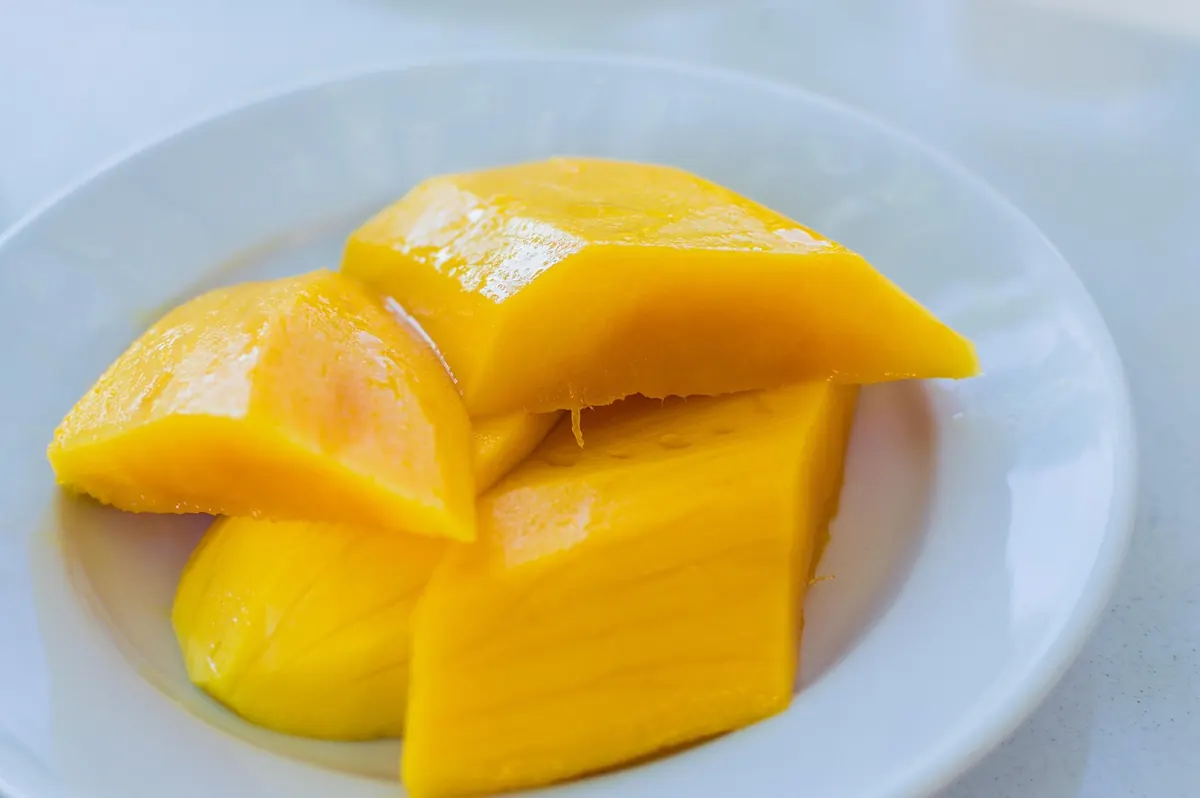
- Mangoes and papayas: counter until they smell sweet and give slightly, then fridge.
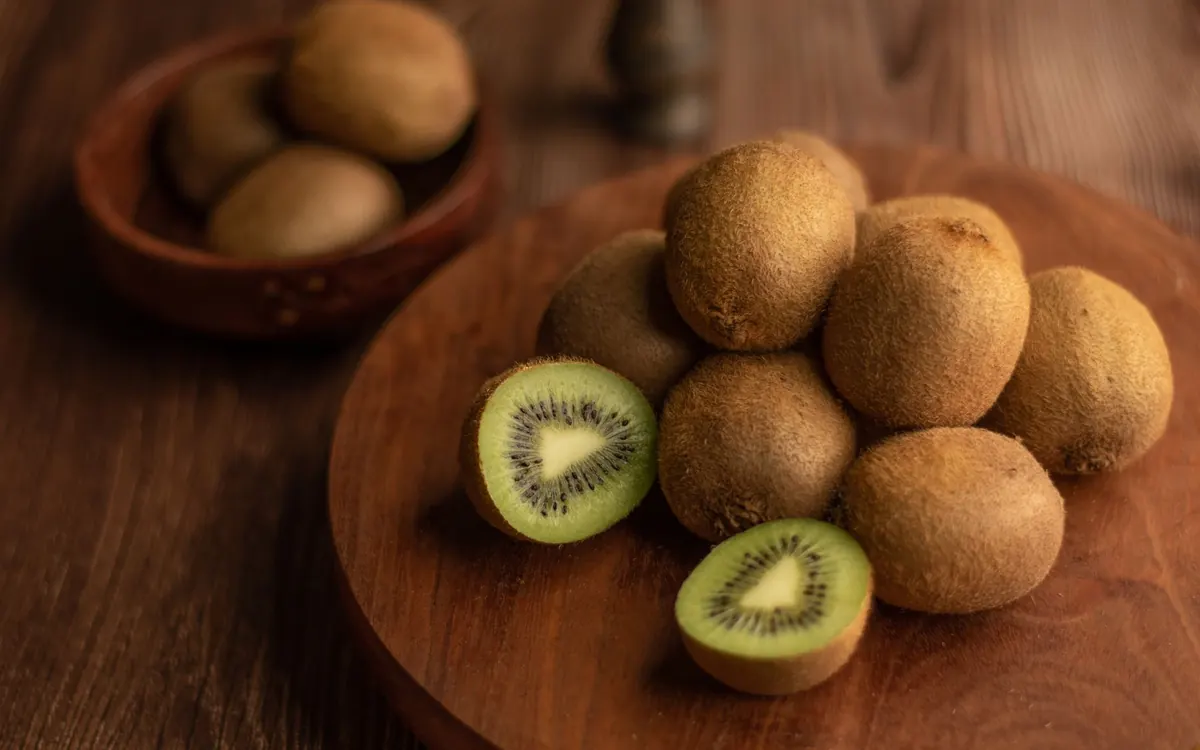
- Kiwifruit: counter until they soften a little at the ends, then fridge.
- Tomatoes: counter, stem-side up, never sealed in a bag. Fridge only as a last resort for very ripe ones, and bring them back to room temperature before eating.
- Apples: fridge. They keep for weeks cold, but they release a lot of ethylene, so store them apart from anything you don't want ripening quickly.
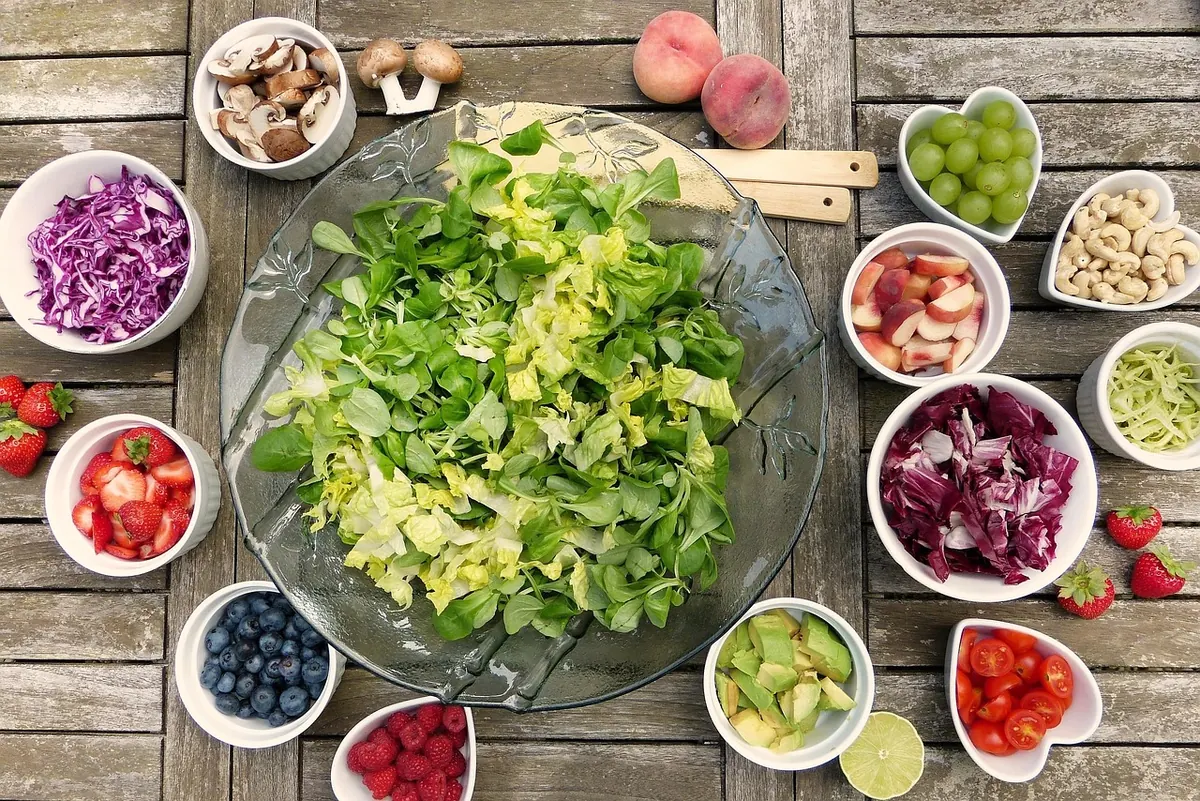
- Berries, cherries, grapes, citrus: fridge from the start, unwashed until you eat them.
The Two-Stage Method That Beats Both
Ripen on the counter, then chill. That single sentence covers most of what you need.
Buy fruit firm, leave it out until it's ready, then move it to the fridge to hold it there. The counter does the work of developing flavour and texture; the fridge presses pause so you can eat it over several days instead of in one frantic afternoon.
Want to hurry a hard avocado or a stubborn mango? Put it in a paper bag with a ripe banana or apple. The ripe fruit gives off ethylene and the bag holds it close. Check every few hours — this can shave a day or more off the wait, and it's easy to overshoot.
Once fruit is cut, the rules change. Cover it, refrigerate it, and eat it within a couple of days.
Mistakes That Undo Good Storage
- Washing berries before storing them. Damp fruit moulds fast; rinse just before eating.
- Sealing ripening fruit in plastic. It sweats, then rots. Paper bags breathe; plastic doesn't.
- Leaving ethylene producers next to salad leaves, broccoli, asparagus or cucumbers. They'll yellow and wilt early.
- Ignoring one soft fruit in the bowl. Mould spreads, and it spreads quickly.
- Chilling stone fruit while it's still hard, then wondering why it tastes of nothing.
- Eating straight from the fridge. Give fruit half an hour on the worktop — aromas are more noticeable at room temperature.
A Simple Routine to Follow
Unpack berries, grapes, cherries and citrus straight into the fridge. Leave the rest on the counter, spread out, and look at it once a day. When something gives slightly, smells sweet, or loosens at the stem, that's your cue: eat it, cook it, or move it to the fridge to buy more time. Clear out the bowl weekly and wipe it down.
The fruit bowl ripens. The fridge preserves. Decide which of those two jobs you're asking of each piece of fruit, and the question of where to put it answers itself.
Photo: silviarita / Pixabay