Stop Chilling These 8 Fruits Before They Ripen
Put a hard peach in the fridge and you have not slowed down ripening so much as stopped it. Chill it for long enough and the fruit will never soften properly, no matter how long you leave it on the counter afterwards. That dull, woolly, slightly bitter result is chilling injury, and it happens to far more fruit than most people realise.
The rule of thumb is simple. Fruit that ripens after picking — the so-called climacteric fruits — needs warmth and time before it sees a cold shelf. Fruit that is already ripe can usually go in the fridge to hold it for a day or two longer. Get the order wrong and you lose flavour you cannot get back.
Why Cold Ruins Unripe Fruit
Ripening is an active process. Enzymes soften the flesh, starches turn to sugars, and acids fade. All of that slows dramatically below roughly 7°C, and in some fruits the cold damages cell membranes outright. The fruit stops developing aroma and sweetness, then starts to break down in ways you would rather it did not.
Chilling injury often shows up in stages. First the skin dulls or spots. Then the flesh turns mealy, watery or rubbery, and browning appears near the core or under the skin. By the time it is obvious, no amount of counter time will fix it. Ripen first, chill later — that is the whole game.
1. Tomatoes
Yes, technically a fruit, and the one people get wrong most often. A supermarket tomato is usually picked mature but unripe, and the fridge halts the volatile compounds that give it that fresh, sweet-tart smell. Cold also turns the flesh mealy and grainy.
Keep tomatoes on the counter, stem side down, out of direct sun. Once fully coloured and yielding, they can go in the fridge if you must, but bring them to room temperature before eating — flavour compounds read better warm. Cherry tomatoes hold up better than large beefsteaks, but even they lose their edge after a couple of cold days.
2. Bananas
Bananas go grey and squidgy in the fridge, and the skin blackens within a day. That blackening is chilling damage, not ripeness. The flesh underneath often stays hard and tastes flat.
Ripen them loose on the counter, away from other fruit if you want to slow the process. A banana gives off ethylene, which speeds up everything around it. Once they reach the ripeness you like:
- Eat them within a day or two at room temperature.
- Peel, slice and freeze for smoothies if you have a glut.
- Refrigerate fully ripe fruit only to stretch it by a day or two, and accept the blackened skin.
3. Avocados
An avocado bought rock-hard will never ripen well in the fridge. It will sit there for a week and then go from hard to brown without ever passing through buttery.
Leave it on the counter until it yields to gentle pressure at the stem end. To speed things up, put it in a paper bag with a banana or an apple — the trapped ethylene does the work. Once ripe, the fridge is your friend: a ripe avocado keeps for two or three days chilled. If you only need half, keep the stone in the remaining half, wrap it tightly and use it the next day.
4. Stone Fruit: Peaches, Nectarines, Plums, Apricots
These are the fruits that suffer most visibly. A chilled unripe peach turns woolly and bland; the skin may go spotty and the flesh brown around the stone. Plums sometimes develop a translucent, watery look that no one enjoys.
How to ripen stone fruit properly
- Spread the fruit in a single layer, not touching, in a bowl or on a tray.
- Leave it at room temperature, out of direct sunlight.
- Check daily by pressing gently near the stem — a ripe peach gives slightly and smells sweet.
- Move ripe fruit to the fridge for two or three days maximum, and let it warm up before eating.
If you have bought a punnet of hard nectarines and want them ready for the weekend, a paper bag speeds things up by a day or so. Do not stack them deeply; bruising shows up later as brown patches.
5. Melons
Melons do not ripen much after picking, but the ones sold with a bit of field left in them — a cantaloupe that is still firm, a whole watermelon with a pale patch — benefit from counter time. Cold storage before that point dulls the aroma and can make the flesh watery and grainy.
Keep whole melons at room temperature until the stem end smells sweet and the blossom end gives slightly. Then chill. Cut melon is a different matter: once sliced, it goes straight into the fridge and should be eaten within a few days.
6. Mangoes, Papayas and Other Tropical Fruit
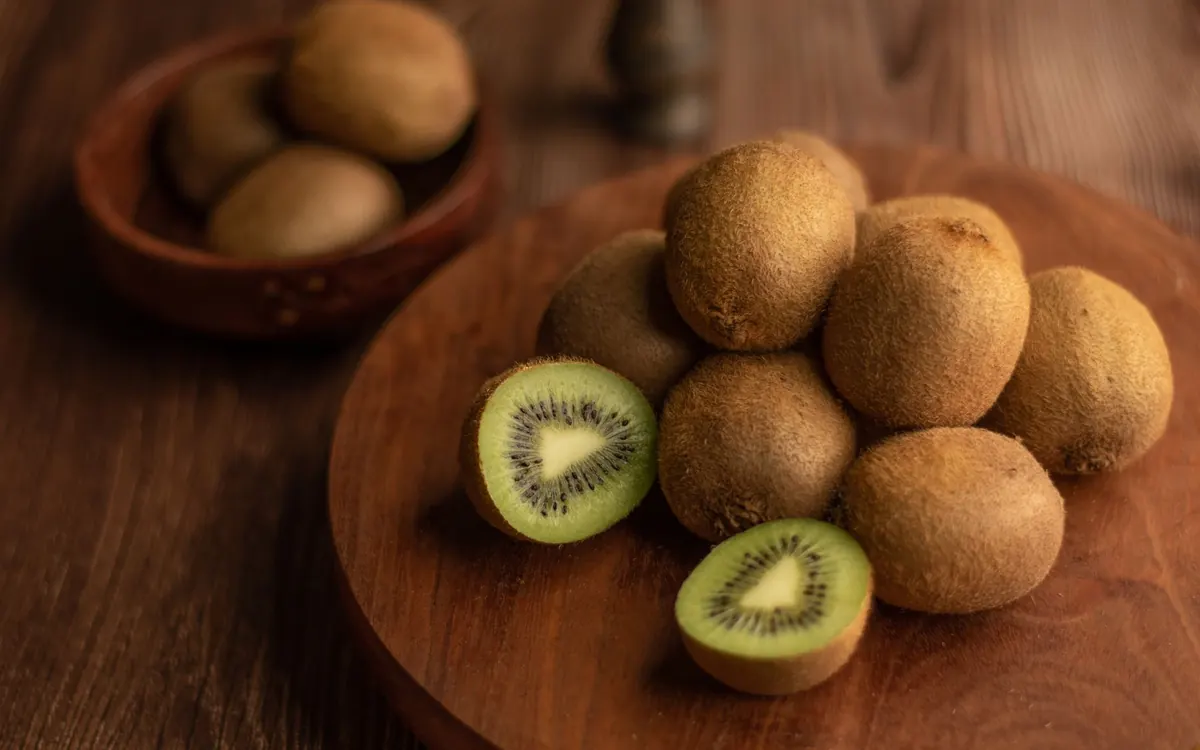
Tropical fruit evolved without cold nights and reacts badly to fridge temperatures. Mangoes develop a grey-brown, pitted skin and a resinous flavour; papayas go mushy at the base while the top stays hard. Pineapples lose their perfume. Kiwifruit, which behaves similarly, turns grainy and sour when chilled while firm.
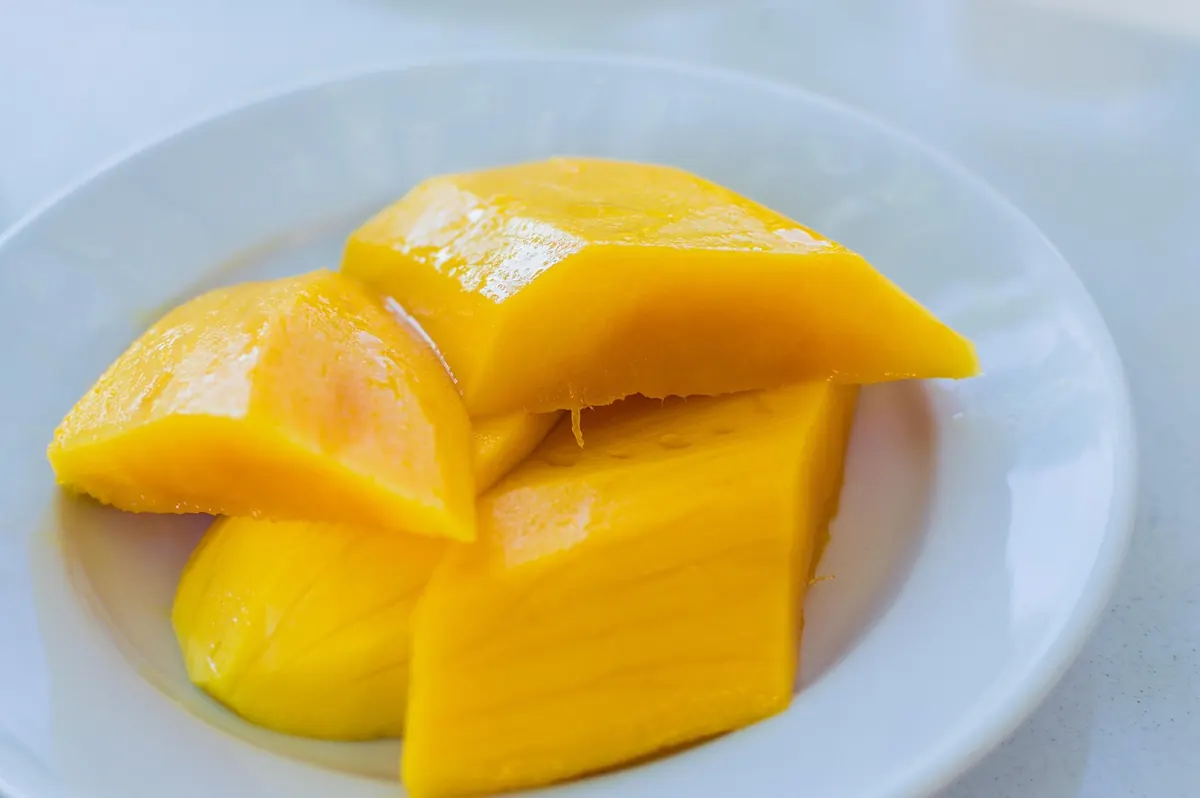
Ripen mangoes and papayas on the counter until they give to gentle pressure and smell fragrant at the stem. Then refrigerate for a few days. If you have more than you can eat, cut the ripe flesh into chunks and freeze it — that is far better than letting it spoil on the shelf.
7. Pears
Pears are the quiet exception that trips people up. They ripen from the inside out, so a pear that feels hard on the outside may be ready at the core. Chilling a firm pear too early stalls the process and leaves you with a dry, mealy texture.
Leave pears at room temperature until the neck just gives when you press it with your thumb. Some varieties, notably winter pears, actually need a spell of cold to ripen properly — but that comes after they have been picked mature, which is the grower's job, not yours.
8. Citrus
Oranges, lemons and limes do not ripen after picking in any meaningful way, but thin-skinned varieties and soft citrus such as mandarins can develop pitting and a bitter edge if stored cold for too long while still firm. A short spell at room temperature before chilling helps them taste sweeter.
For everyday use, keep citrus in a bowl on the counter and eat it within a week. For a longer stay, the fridge is fine — just do not expect a hard, pale lemon to improve because you left it on the windowsill. It will not.
The Practical Routine
Set up one bowl for ripening and one for eating. Fruit goes into the ripening bowl when you bring it home, and moves to the fridge — or the fruit bowl — only when it is ready. Check it once a day, and move anything that is over-ripe straight to the freezer or the pan.
Keep a paper bag in the cupboard for stubborn cases, and remember that ethylene is invisible but powerful; one ripe banana can bring a whole bowl forward by a day. Wash fruit only when you are about to eat it, since damp skin encourages mould. And if a fruit has already gone woolly, watery or brown inside, chilling did its damage early — bin it and start again with the next one, this time out of the cold.
Photo: Pexels / Pixabay